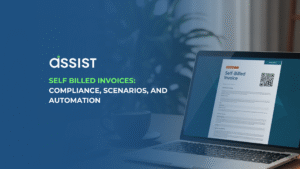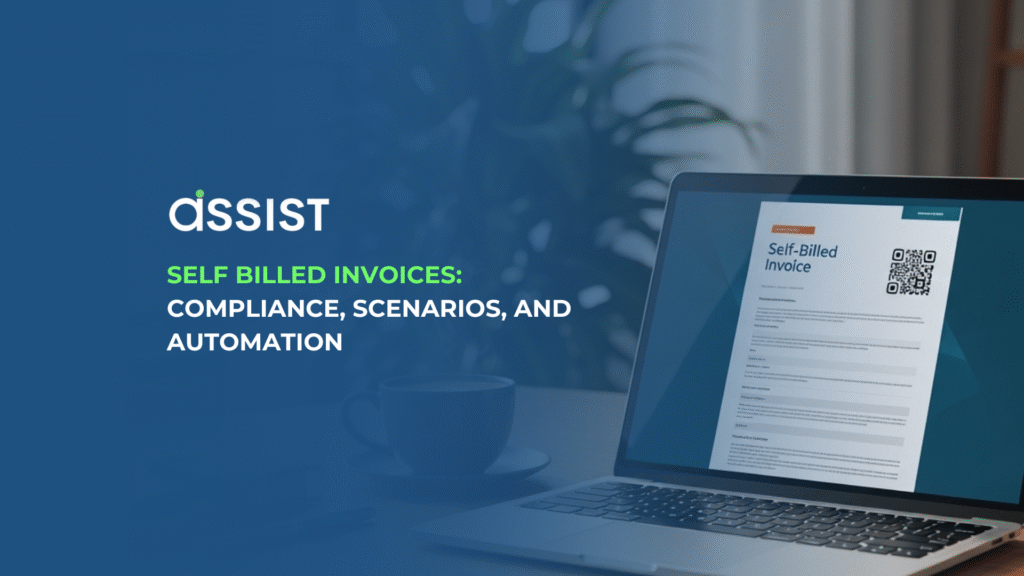

A self-billed invoice is a financial document issued by a buyer to themselves on behalf of a supplier, essentially reversing the traditional invoicing flow. This arrangement is legally required for specific transactions involving agents, foreign service providers, and non-tax registered individuals under modern tax mandates like Malaysia’s LHDN and Singapore’s IRAS. Understanding the strict regulatory requirements and documentation standards is essential to ensuring your business remains audit-ready. Please read on with us as we dive into the details of implementation and the role of automation in managing these complexities until the end of this guide.
Why Self-Billing is the New Normal
In a traditional setup, the seller issues the invoice. However, when the buyer has more precise information about the transaction value or when the seller is an individual not registered for tax, self-billing becomes necessary. It is an arrangement where you, the buyer, issue the invoice to yourself on behalf of your supplier.
Understanding this shift is crucial because the difference between e-billing and e-invoicing is often where businesses encounter issues. While e-billing involves sending a digital document like a PDF, true e-invoicing requires a structured data exchange that tax authorities can validate in real-time.
The Legal Framework: LHDN and IRAS Requirements
In Malaysia, the LHDN has clarified that self-billed e-invoices are mandatory for specific transactions starting in 2025. If you have not reviewed the everything you need to know on e-invoice Malaysia 2025 mandate, it is vital to do so now. Under these rules, the buyer assumes the supplier role for the purpose of e-invoice submission.
Similarly, the guide to self-billed invoices in Singapore 2026 highlights that IRAS requires a formal agreement between both parties before self-billing can commence. This must be a documented, mutual arrangement rather than a unilateral decision.
5 Real-World Scenarios: When You Must Use Self-Billing
Practical experience in automating business finances shows that self-billing typically occurs in these five scenarios:
- Payments to Agents or Distributors: Common in real estate and insurance, where the principal calculates the commission owed.
- Foreign Suppliers: When importing services, the foreign entity will not be in your local e-invoice system, requiring you to issue the self-billed invoice to document the expense.
- E-commerce Payouts: Platforms often use self-billing to document the distribution of funds to various sellers.
- Royalties: Payments for intellectual property where the buyer tracks usage and calculates the resulting payment.
- Individual Service Providers: This is particularly relevant for e-invoicing for solopreneurs and SMEs who may not be registered for tax but provide essential services to your company.
The Implementation Checklist: A Step by Step Setup
Moving to a self-billing model requires a structured workflow rather than just a template.
- Establish a Formal Agreement: Both parties must sign a document agreeing that the buyer will issue the invoice and the seller will not.
- Verify Tax Status: Ensure your supplier’s Tax Identification Number (TIN) or tax registration is valid.
- Sequential Numbering: Self-billed invoices must have their own unique, sequential series to distinguish them from standard sales invoices.
- Review and Approval: Implementing the definitive guide to invoice approval workflows ensures that the data is accurate before it is submitted to the tax portal.
Common Pitfalls and How to Avoid Audit Red Flags
The primary risk with self-billing is double invoicing, where a supplier accidentally sends their own invoice for a transaction you have already self-billed. This is a significant red flag during a tax audit.
To prevent this, businesses are increasingly relying on two-way match accounts payable: The Singapore guide to ensure the self-billed invoice matches the underlying purchase order or contract exactly.
The Digital Transition: Automating Your Compliance
The administrative burden of manual self-billing can be significant. The solution lies in AI Bookkeeping: The definitive expert guide on automation. By utilizing the best OCR for invoice scanning, you can extract data from supporting documents like delivery orders and automatically generate a compliant self-billed e-invoice.
Conclusion: Scaling with Confidence
Transitioning to self-billed e-invoicing is a milestone in your business’s digital maturity. By taking control of the invoicing process, you reduce the risk of supplier errors and ensure your tax claims are robust.
At Assist, we have built our solution to handle these regional complexities with ease. Whether you are navigating the latest LHDN requirements or ensuring IRAS compliance, our platform is designed to be your expert assistant. Register for using Assist solution and try it for free at https://app.assist.biz/auth/register.